


Endangered Eating

October 2026 Produce Parable
By Adam Calder, Wheatsfield Produce Manager
From the staple foods we eat daily, to the special occasion treats we fondly cherish, food carries significant cultural weight for most people. What might happen to us, to our culture, to our stories, when some of those foods disappear?
In her book Endangered Eating, culinary historian and journalist Sarah Lohman tackles that question. Guided by the Ark of Taste, a list created by Slow Food International, Lohman travels the United States from coast to coast, to taste for herself some of these culturally significant foods that are in danger of fading away.
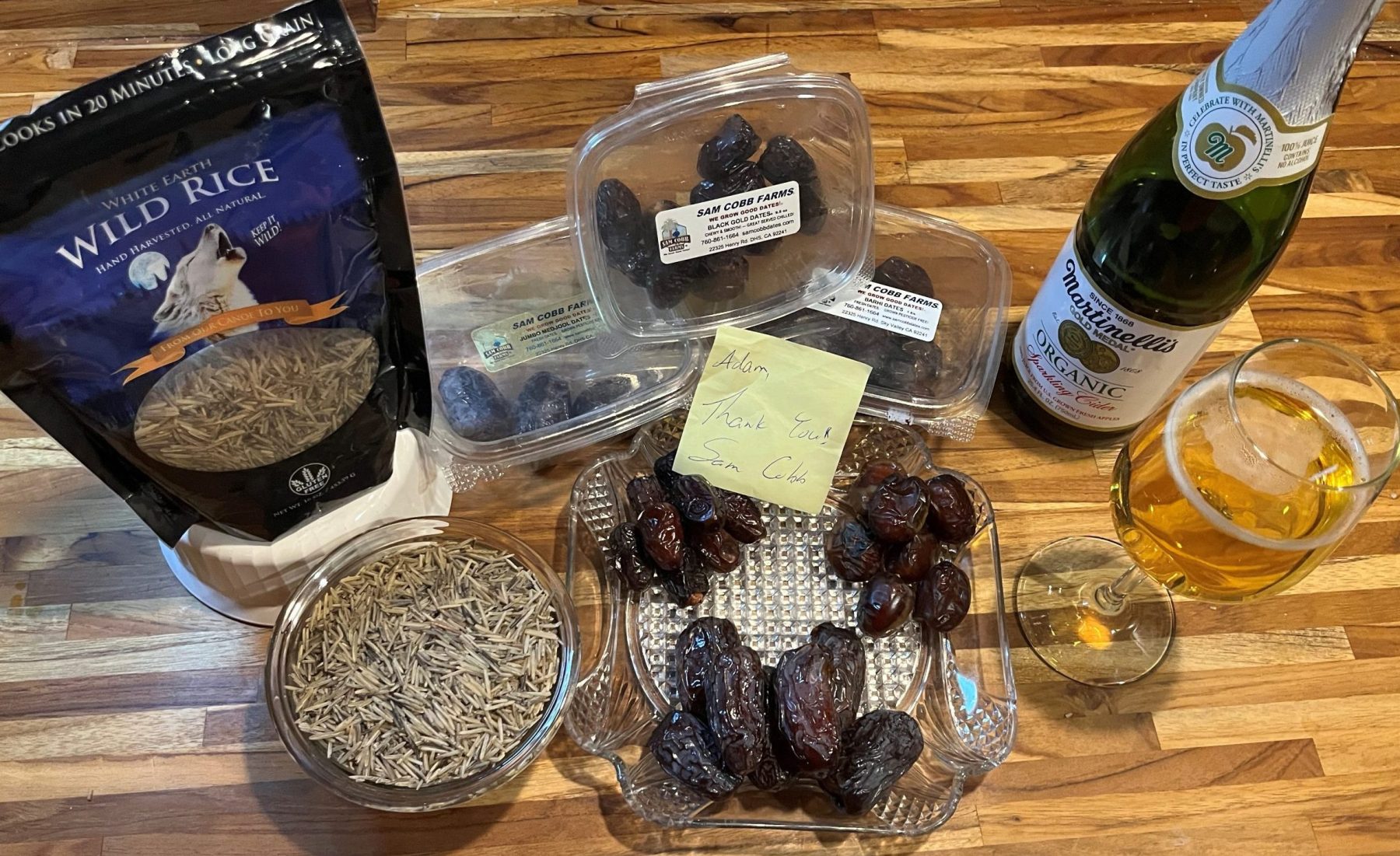
Lohman visited Coachella Valley in California to taste unique American-variety dates most people in America have likely never heard of. The desert-valley climate in Coachella Valley is uniquely suited to grow excellent dates, so they have been farmed there for over 120 years. In that time, farmers have cultivated dates with names like Abada, Black Gold, Blonde Beauties, Empress, Honey McGill’s, and Tarbazal.
The Black Gold date come from Sam Cobb Farms in Sky Valley, California. With a melty mouthfeel, and a taste of fruity, sweet caramel, these dates are a gem. One day, Sam Cobb was driving and saw an attractive date palm tree growing on the side of the road. This palm tree likely grew from a pit someone had discarded out the window of a car years ago, so Cobb had no idea what the variety was. He liked its look and flavor so much that he declared it would be his “black gold” once he started selling it, and with that a new date variety was born.
Lohman journeyed to Walden, New York, to learn about the Newtown Pippin, a blushing, yellow-green colonial-era cider apple grown commercially to this day. Hard and starchy when picked in November, they must be stored until spring to let the starches convert to sugars. This long cure time imbues an extraordinary, lingering taste in the apple juice.
The reason this apple is still grown, and hundreds of others drifted off into history, is that there is a consistent and large demand for the Newtown Pippin apple from the Martinelli’s apple juice company. They use the Newtown Pippin as the source for over half the juice used in their organic sparkling apple cider (which we sell at Wheatsfield!), and they pay farmers above market rate for those apples to ensure that steady supply. The Martinelli’s family has owned their company from its start in 1868, and understands the important heritage of the Newton Pippins they use.
In upper Michigan, Lohman was a guest of the Ojibwe Nation to learn how they traditionally harvest manoomin, or what is known as wild rice. In Ojibwe culture, manoomin means “the good fruit” or “spirit delicacy”. It is the first solid food of their babies, served at their funerals, and eaten every day in between. It is immensely important to their culture.
It is traditionally harvested from canoes, using two sticks. One gently bends the stalk over the canoe, the other lightly taps the ripe grains into the canoe. Once the canoe is full, the rice is taken ashore and dried in the sun, followed by a roasting in a cauldron over an open fire. This loosens the rice beards, so they come off easier when the grains are threshed by a “dancer” with protective knee-high deerskin moccasins (manoomin hulls are covered in sharp barbs). The threshed grains are then winnowed using a shallow birch-bark tray to toss the rice in the air, letting the chaff blow away. None of this happens to farmed “wild rice” sold in most grocery stores, which isn’t truly wild at all.
Lohman also tastes heirloom sugar cane in Hawaii, Navajo-Churro sheep in New Mexico, Choctaw filé powder in Louisiana, and Carolina African Runner peanuts as she travels across the U.S.A., tracking down the foods that form the stories of who we were, and who we are, as a nation of diverse people and unique cultures that all meld together to form something truly American.





Leave A Comment