


Winter Squash
By Adam Calder
Savory and sophisticated, yet humble and satisfying all at the same time. These seemingly opposing characteristics are the qualities of winter squash. We’ve been enjoying an unusually mild autumn, and as such maybe aren’t as excited for these seasonal beauties as in past years.
So as not to let these tasty morsels slip from your memory, here is a list of the winter squash varieties available at Wheatsfield:
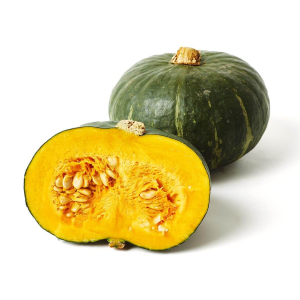
Kabocha
“Kabocha” is the Japanese word for “squash.” It has bumpy green skin and dense orange flesh. This squash maintains a firm texture and savory flavor when cooked, so it is great for stews and roasts that require long, slow cooking.
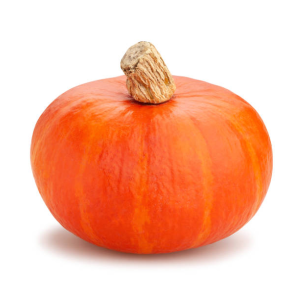
Red Kabocha
This is also known as Hawaiian Pumpkin. It has a bright red/orange skin and a similarly colored flesh. This squash is sweet and very pumpkin like in flavor, but with no fibrous strings like pumpkins tend to have. When cooked this squash is soft and fluffy. When pureed into a soup, it has a velvety smooth texture.
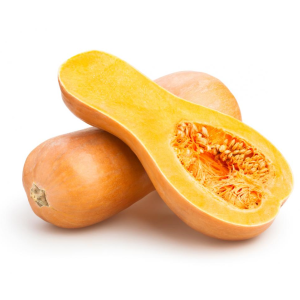
Butternut Squash
The most popular winter squash variety at Wheatsfield. Butternuts have a consistent texture and taste. When cooked they are not too soft, nor too hard. Neither too sweet nor too bland and with just the right amount of an earthy, nutty flavor these squash are a tried and true customer favorite. They have a distinctive bulbous bottom that tapers to a long, narrow top. The amber skin is not as deeply colored as the burnt-orange colored flesh.
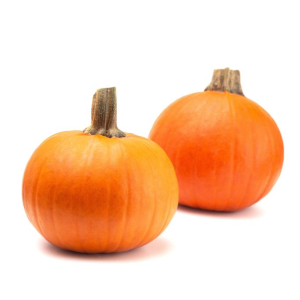
Pie Pumpkins
Although edible, the pumpkins used for Halloween carving are rarely the same pumpkins people use to cook and eat. The pumpkins most people have eaten are in fact smaller pie pumpkins (also known as sugar pumpkins.) Pie pumpkins are grown for their pumpkin taste and also their high sugar content and thick-fleshed walls. Not as bland, watery or fibrous as jack-o-lantern pumpkins, pie pumpkins are great for cooking into savory or sweet foods.
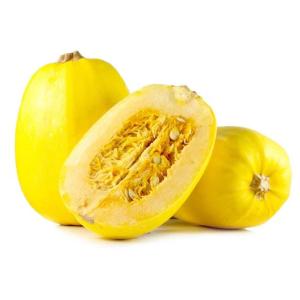
Spaghetti Squash
Not overly sweet or savory tasting, this squash is actually a fair substitute for spaghetti noodles! Under the bright yellow skin there is a pale yellow flesh comprised of long squash fibers that are about the same length and diameter of cooked spaghetti noodles. This flesh can be baked or boiled and served with sauce on top, just like pasta! This squash is a great alternative for people who love pasta and sauce but want to eat less processed food or who want to get excess carbohydrates out of their diet.
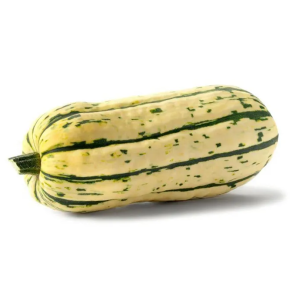
Delicata Squash
This is the only winter squash with an edible skin. When roasted, the squash has a flavor and texture that is very much like a cross between squash and sweet potatoes. The small size (usually under a pound) of this variety makes it ideal for stuffing and baking.
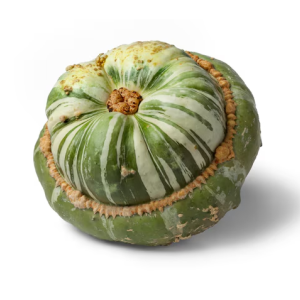
Buttercup Squash
Also known as a turban squash because of the turban-like shape, buttercup looks very similar to Green Kabocha from the outside. When cut, the buttercup smells very much like fresh cut cucumbers and when cooked the taste is mild and the texture dense.
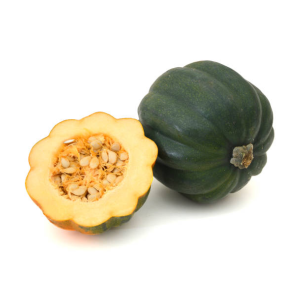
Acorn Squash
So named for its very acorn-like appearance, this squash is best consumed when the rind is green with just a touch of orange on the bottom. The more orange the squash, the more tough and fibrous the flesh will be. This is another customer favorite, although not as popular as the butternut. One acorn squash cut in half, stuffed with rice and baked in the oven will make a warm, wholesome and satisfying dinner for two.
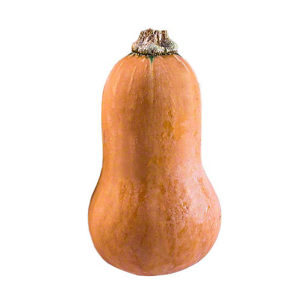
Honeynut Squash
These cute little squash look like a shrunken, more tanned version of butternut. They have all the flavor of a butternut packed into a single serving sized vegetable. These are great if you are in the mood for squash but don’t want several pounds of leftover cooked squash once dinner is over.
There you have it, a list of the great winter squash available at Wheatsfield Cooperative this autumn and winter. All of them are organically grown, and it shows in their excellent high-quality taste, texture and appearance. Be sure to stop in soon and pick up some of this seasonal selection.




Leave A Comment